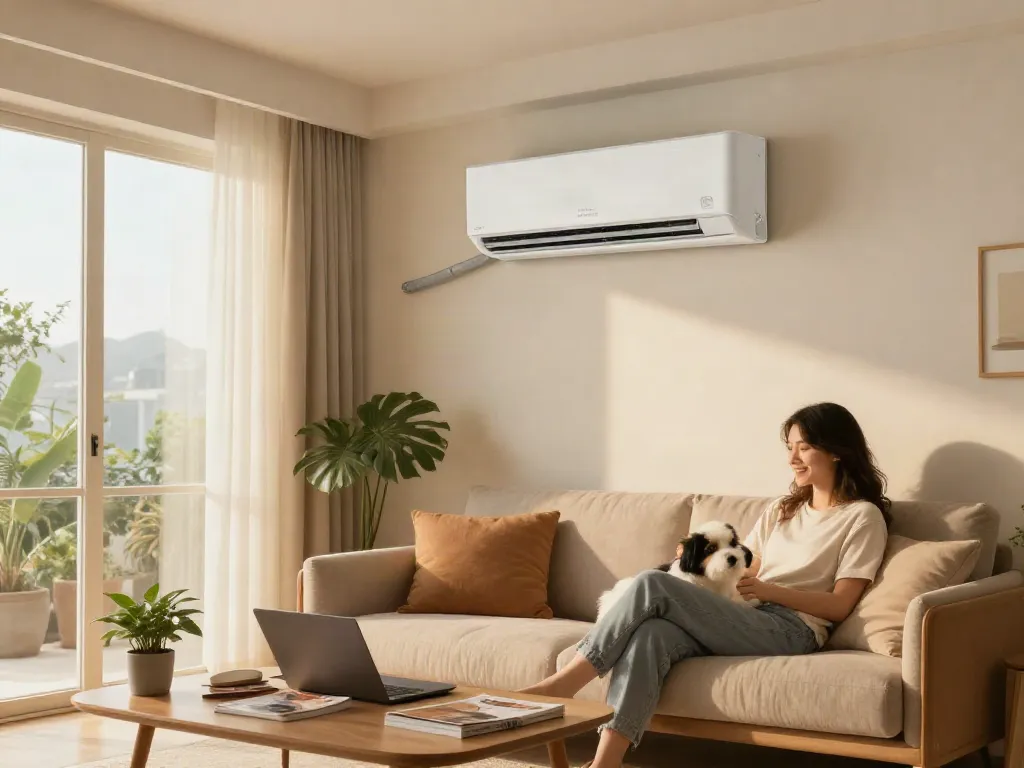
Understanding Mini Split of Air Conditioner Systems
As modern homeowners seek energy-efficient and flexible climate control solutions, the mini split of air conditioner systems have gained immense popularity. These versatile units provide both heating and cooling options, making them ideal for a variety of spaces. In this extensive guide, we will delve into the intricacies of mini split systems, showcasing their benefits, installation processes, maintenance tips, and future trends.
What is a Mini Split of Air Conditioner?
A mini split air conditioner, also known as a ductless mini-split system, is a type of HVAC system that allows for the individualized control of temperature in various spaces. Unlike traditional central air conditioning systems, mini splits do not require ductwork. Instead, they consist of an outdoor compressor unit and one or more indoor air-handling units connected by refrigerant lines. This configuration not only saves energy but also provides flexibility in installation, allowing homeowners to cool or heat specific areas as needed.
Key Components and Their Functions
Understanding the key components of a mini split air conditioner is essential for both potential buyers and users. The main parts of a mini split system include:
- Outdoor Unit: Houses the compressor and condenser, responsible for expelling heat from the refrigerant that has absorbed heat from inside the home.
- Indoor Unit: The air handler that blows cool air into the room. It is typically mounted on a wall or ceiling and can be adjusted for airflow direction.
- Refrigerant Lines: These transfer refrigerant between the indoor and outdoor units, allowing heat exchange to occur.
- Remote Control or Wall Thermostat: Provides users the ability to set desired temperatures and modes conveniently.
Benefits Over Traditional Cooling Systems
Mini split air conditioners offer several advantages over their traditional counterparts, including:
- Energy Efficiency: Mini splits use less energy since they do not lose air through ductwork, translating to lower utility bills.
- Individual Zone Control: Each indoor unit can be controlled independently, allowing homeowners to adjust temperatures in various rooms to match personal preferences.
- Easy Installation: Without the need for extensive duct systems, mini splits can be installed with minimal disruption and are easier to fit into spaces lacking ductwork.
- Quiet Operation: Mini split units typically operate at lower noise levels compared to traditional units, enabling a more comfortable home environment.
Choosing the Right Mini Split of Air Conditioner
With numerous models and options available, selecting the right mini split air conditioner for your home can be daunting. Here are key considerations to help streamline the decision-making process.
Evaluating Your Space and Cooling Needs
The first step in choosing a mini split system is to assess the size and layout of the space to be cooled or heated. Factors to consider include:
- Room Size: Measure the square footage of the area and determine the BTU (British Thermal Unit) requirements. A general rule of thumb is that a space requires about 20 BTUs per square foot.
- Insulation Quality: A well-insulated space will retain temperature more effectively than a poorly insulated one.
- Sun Exposure: Rooms with large windows or that are heavily sunlit may require a more powerful unit to maintain comfortable temperatures.
Factors Affecting Cost and Efficiency
The cost of a mini split system can vary significantly based on several factors:
- Brand and Model: Premium brands often offer higher efficiency and more features, but may come with a higher price tag.
- Installation Complexity: If your space requires extensive modifications for installation, labor costs can increase.
- Unit Capacity: Larger units generally cost more upfront but can lead to savings in energy consumption over time.
Best Brands and Models for 2026
As of 2026, leading brands in the mini split market include:
- Daikin: Known for their energy-efficient models that cater to various sizes and needs.
- Mitsubishi: Offers a range of powerful mini splits ideal for both residential and commercial applications.
- Senville: Provides budget-friendly options without compromising on quality and efficiency.
- Pioneer: Renowned for cost-effective systems featuring advanced technology.
Installation Process for Mini Split of Air Conditioners
Installing a mini split system can be a straightforward process, but to ensure optimal performance, it's essential to follow the proper steps.
Hiring Professional Installers vs. DIY
While some homeowners may opt to install mini split systems themselves, hiring a professional installer is often recommended to guarantee proper setup and efficiency. Professionals bring expertise and tools required to handle challenging aspects such as refrigerant charging and electrical wiring.
Essential Tools and Materials Needed
If you decide to tackle the project yourself, you will need the following tools:
- Drill with appropriate bits
- Wrenches and screwdrivers
- Refrigerant gauges
- Vacuum pump
- Level
Step-by-Step Installation Guide
Here’s a simplified step-by-step installation process:
- Choose an installation location: Identify a suitable spot for the indoor unit that allows for proper airflow and easy access to the outdoor unit.
- Mount the indoor unit: Secure the mounting brackets to the wall and hang the indoor unit.
- Connect refrigerant lines: Carefully run the refrigerant lines between the indoor and outdoor units, ensuring proper sealing.
- Install the outdoor unit: Position the outdoor unit on a flat surface and connect the required lines.
- Test the system: Turn on the unit and check for any leaks or operational issues.
Maintenance Tips for Longevity
To ensure the longevity and efficiency of your mini split air conditioner, regular maintenance is crucial.
Routine Checks and Cleaning Practices
Adopt the following practices to maintain your system:
- Clean or replace filters: Dirty filters can restrict airflow and reduce efficiency, so check them monthly and clean or replace as needed.
- Inspect the outdoor unit: Remove debris and ensure that the outdoor unit is clear of obstructions to promote adequate airflow.
- Check refrigerant levels: Low refrigerant levels can indicate a leak that requires professional attention.
Common Issues and Troubleshooting
Be aware of common issues that may arise:
- Weak airflow: Often indicates a dirty filter or an obstruction in the outdoor unit.
- High energy bills: May suggest that the system is not operating efficiently due to improper sizing, lack of maintenance, or a need for repairs.
When to Call a Professional
If you encounter problems that cannot be resolved through basic maintenance or if you suspect a major issue, it's best to contact a professional technician for assistance.
Future Trends in Mini Split of Air Conditioners
The mini split air conditioning market is evolving, with several innovative trends emerging that promise to enhance user experience and energy efficiency.
Energy Efficiency Developments
With global warming concerns and increasing energy costs, manufacturers continue to improve energy efficiency in mini splits. Look for models with high SEER (Seasonal Energy Efficiency Ratio) ratings, which indicate better energy performance.
Smart Technology Integration
Smart mini split systems are on the rise, featuring connectivity to mobile devices for seamless control. Users can adjust settings remotely, monitor energy usage, and receive maintenance alerts through dedicated applications.
Market Predictions for 2026 and Beyond
As the demand for sustainable and energy-efficient HVAC solutions rises, the mini split market is expected to grow significantly. Innovations in technology and increased consumer awareness will drive more homeowners to consider these versatile systems as a primary choice for climate control.
What are the advantages of mini split air conditioners?
Mini split air conditioners offer energy efficiency, flexibility, zone control, and quieter operation compared to traditional systems. They are ideal for homes without pre-existing ductwork.
How much does a mini split air conditioner typically cost?
The cost of mini split systems can range from $1,500 to $5,000, depending on the brand, size, and installation complexity.
Can I install a mini split air conditioner myself?
While DIY installation is possible, it is often recommended to hire a professional installer to ensure proper setup and efficiency.
What maintenance does a mini split air conditioner require?
Regular maintenance includes cleaning or replacing filters, inspecting the outdoor unit, and checking refrigerant levels to ensure optimal performance.
How do mini splits compare to traditional HVAC systems?
Mini splits are more efficient as they do not rely on ductwork, allowing for individualized temperature control and reduced energy loss.